
Feeding a toddler can often feel like a full-time negotiation. One day they love bananas; the next day, a banana is an absolute dealbreaker. If you find yourself cooking separate meals, cutting crusts into precise geometric shapes, or staring at a plate of untouched vegetables, you are not alone. Picky eating is a completely normal developmental milestone as young children assert their independence and navigate sensory preferences.
The secret to mealtime success with toddlers isn’t hiding health food under layers of cheese or forcing “just one more bite.” Instead, it comes down to presentation, familiarity, and giving toddlers a sense of control.
Here are 10 toddler-approved, nutrient-dense meal ideas designed to break the picky eating cycle, ease mealtime stress, and get actual food into your child’s belly.
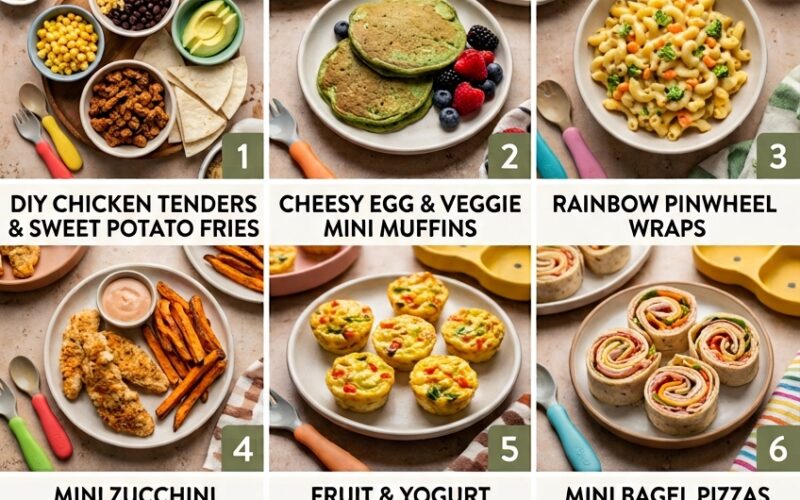
1. Deconstructed “Build-Your-Own” Taco Bowl
Toddlers love autonomy. When food is mixed together, it can feel overwhelming or suspicious to a cautious eater. Serving ingredients separately in a divided plate lets them touch, inspect, and choose what goes into their mouth.
- Ingredients: Seasoned ground turkey or black beans, shredded mild cheddar, diced avocado, warm mini corn tortillas or tortilla strips, and mild salsa on the side.
- Why it works: Deconstruction removes the mystery. Your toddler gets to exert control over their meal without you becoming a short-order cook.
2. Spinach & Banana “Monster” Pancakes
Bright green food usually triggers alarm bells for a picky toddler, unless it’s intentionally framed as fun. These vibrant pancakes get their color naturally from fresh spinach, but taste entirely like sweet banana.
- Ingredients: 1 ripe banana, 1 egg, ½ cup rolled oats, a massive handful of fresh baby spinach, and a splash of milk blended until smooth and cooked in butter.
- Why it works: Blending greens directly into a familiar, comforting breakfast staple removes texture barriers while delivering iron, fiber, and essential vitamins.
3. Veggie-Boosted Macaroni and Cheese
Macaroni and cheese is a universal toddler favorite. Instead of replacing it entirely, enhance the classic cheese sauce with sweet, orange vegetables that blend seamlessly into the texture and color profile.
- Ingredients: Whole wheat or chickpea pasta elbows, sharp cheddar cheese, milk, and a puree of steamed butternut squash or carrots.
- Why it works: Butternut squash adds a natural sweetness and creamy texture that reinforces the cheesy flavor rather than fighting it.
4. “Dippy” Chicken Tenders with Sweet Potato Fries
The act of dipping makes any meal interactive and playful. Turning dinner into an activity distracts toddlers from overthinking the food itself.
- Ingredients: Baked, breaded chicken breast strips (or crispy tofu cubes), roasted sweet potato wedges, and a choice of dips like Greek yogurt ranch, hummus, or honey mustard.
- Why it works: Finger foods reduce the frustration of learning utensils, and dipping provides a sensory entry point that makes protein far more approachable.
5. Cheesy Egg & Veggie Muffins
Eggs are packed with choline and protein, but their soft texture can be a hit-or-miss for young kids. Baking beaten eggs with mild veggies into mini muffin tins transforms them into a portable, fun finger food.
- Ingredients: 6 eggs, ¼ cup milk, shredded mozzarella, finely chopped broccoli florets, and diced bell peppers.
- Why it works: Mini muffins are easy for small hands to grasp. They can be baked ahead of time and served warm or at room temperature.
6. Rainbow Pinwheel Wraps
Flat sandwiches often fall apart, which can frustrate toddlers. Rolling ingredients inside a soft tortilla and slicing them into bite-sized “coins” or “wheels” makes the meal visually exciting.
- Ingredients: Whole wheat tortilla spread with cream cheese or hummus, topped with thinly sliced deli turkey, shredded carrots, and spinach, rolled tightly and sliced into rounds.
- Why it works: The Bite-sized format is less intimidating than a giant sandwich, and the colorful spiral pattern appeals to visual curiosity.
7. Mini Meatballs packed with Zucchini
Ground meat can sometimes be too dry or chewy for toddlers still mastering their bite. Adding grated vegetables retains moisture and creates a soft, tender texture.
- Ingredients: Ground beef or turkey, fine breadcrumbs, an egg, parmesan cheese, and finely grated, squeezed zucchini or yellow squash.
- Why it works: Grated zucchini melts into the meatballs as they cook, keeping them juicy while adding extra hydration and nutrients.
8. Creamy Avocado Pasta
If your toddler insists on eating plain buttered noodles, this recipe acts as a gentle bridge toward new flavors without introducing intimidating chunks or strong spices.
- Ingredients: Ripe avocado, fresh basil, a touch of garlic powder, lemon juice, and olive oil blended into a smooth sauce and tossed with warm pasta.
- Why it works: The sauce is silky and coats the pasta completely, delivering healthy monounsaturated fats and fiber in a familiar pasta presentation.
9. Fruit & Yogurt Parfait “Popsicles”
When toddlers refuse traditional meals, turning dinner or snack time into a cool treat can reset their mood—especially during teething phases.
- Ingredients: Plain or vanilla Greek yogurt layered with mashed berries and a sprinkle of ground flaxseed or rolled oats, frozen in mini popsicle molds.
- Why it works: It feels like a dessert, but provides gut-healthy probiotics, protein, and antioxidants with zero refined sugars.
10. Sheet Pan Mini Pizza Bagels
Pizza is rarely rejected, making it an excellent vehicle for exposure to new ingredients. Using whole-wheat mini bagels or English muffins keeps portion sizes manageable.
- Ingredients: Mini whole-wheat bagels, low-sodium marinara sauce, shredded mozzarella, and finely diced toppings like olives, mushrooms, or cooked ground chicken.
- Why it works: Allowing your toddler to place their own toppings onto the bagel before baking gives them ownership over the final product.
Pro Tips for Stress-Free Toddler Meals
- Keep Portions Small: Oversized portions can physically overwhelm a toddler. Start with one tablespoon of each food group. They can always ask for seconds.
- Pair the Unfamiliar with a “Safe” Food: Always serve a tiny portion of a new or rejected food alongside at least one item you know your child reliably eats.
- Maintain Neutral Responses: Avoid over-praising clean plates or expressing frustration over untouched food. Neutral energy removes power struggles from the table.
- Involve Them in the Kitchen: Toddlers who help wash fruit, stir batter, or tear lettuce are significantly more likely to taste the finished product.
Mealtime success isn’t measured by a clean plate every single night, but by building a positive, pressure-free environment around food. Try rotating a few of these ideas into your weekly meal plan to make dinner simpler, healthier, and far more enjoyable for the whole family.
